


When i left my a rank party, it felt like an admission of defeat, but stepping away from a full pre-made lobby is often the single best decision for long-term MMR growth and skill refinement.
A rank party offers communication and familiarity, but it frequently introduces hidden bottlenecks. Skill discrepancies, mismatched playstyles, and group tilt can stall competitive progression faster than queueing with random teammates.
Understanding when to say “i left my a rank party” allows you to diagnose personal skill gaps, fix core mechanics, and rebuild momentum on your own terms.
The Risks of Staying in an Unproductive Stack
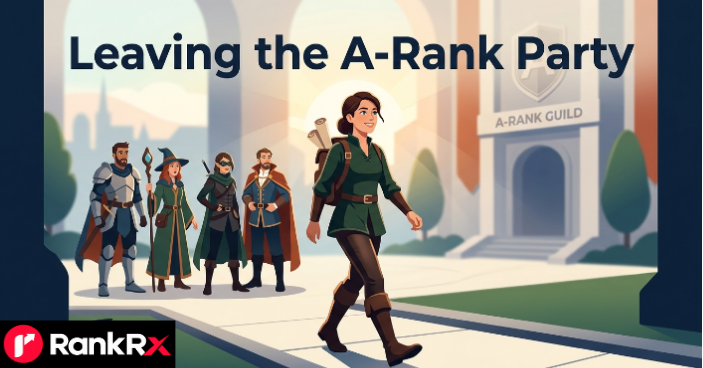
Premade groups provide comfort, but long-term reliance on the same party often hides fundamental gameplay flaws.
Over-Reliance on Group Dynamics
When playing with the same group continuously, players tend to fill specific roles without mastering fundamental mechanics. If a teammate always handles shot-calling or entry fragging, individual versatility degrades over time.
Disclaimer
Gaming performance and rank progression vary based on individual skill, game mechanics, and match conditions. Consult game-specific guides and analytical tools for tailored rank strategies.
Tilted Group Escalation
Loss streaks in a stack compound rapidly. When one player tilts, the rest of the group often absorbs the negative energy. Reflecting on why i left my a rank party highlights how passive-aggressive calls and poor decisions prolong severe demotions. i left my a rank party.
READ MORE: What’s Trending in the UK Right Now And How to Actually Use That Information
Rank Party vs. Solo Queueing Breakdown
| Metric / Aspect | Rank Party Queue | Solo / Reset Queue |
| Communication | High familiarity, potential noise | Standard pings, concise calls |
| Matchmaking Pressure | Higher (faces coordinated teams) | Balanced system matching |
| Personal Growth Focus | Low (team-dependent) | High (self-reflection focus) |
| Tilt Propagation | High across connected players | Low (isolated matches) |
When to Step Away and Reset
Knowing when to step back separates casual players from those aiming to climb consistently.
- Persistent Synergy Failure: Your team continuously makes conflicting calls or clashes on game strategy.
- Skill Discrepancy Gaps: Large rank divides cause matchmaking algorithms to place you against significantly harder opponents. i left my a rank party.
- Lack of Accountability: Teammates blame match outcomes entirely on game balance or opponents rather than fixing mistakes.
After I noticed these patterns, i left my a rank party to recalibrate my solo strategy and regain control over my gameplay focus.
READ MORE: Best Netflix Shows UK August 2026 What’s Actually Worth Your Time
Common Mistakes to Avoid
- Rage Quitting Mid-Match: Disconnecting during a live match harms team trust and incurs heavy penalty penalties.
- Failing to Explain Your Departure: Always give a simple, neutral reason—such as explaining why i left my a rank party to focus on warmups—to preserve squad relationships.
- Immediately Queueing While Tilted: Stepping out of a group only works if you take time to reset mentally before jumping into a solo match.
Key Takeaways
- Group comfort can hide individual performance mistakes.
- Premade lobbies often face harder, fully coordinated opponents.
- Stepping away prevents collective team tilt from destroying MMR.
- Neutral communication keeps group relationships intact during breaks.
- Solo reset sessions help refine fundamental mechanics and decision-making.
Related Keywords
rank party reset, solo queue tips, competitive rank strategy, game stack vs solo, MMR recovery, leaving a lobby, esports ranking tips, competitive gaming tilt, stack ranking limitations, gaming performance reset, gaming team dynamics, rank progression guide, gaming synergy fix, demotion prevention tips, ranking up fast, solo queue mindset, competitive gaming mechanics, lobby management, gaming burnout reset, MMR climbing strategy, gaming squad optimization, esports performance tips.
READ MORE: RankRX The Modern Framework for Data-Driven SEO Success
Suggested Blog Tags
SEO, Content Marketing, Analytics, Digital Marketing, Rank Strategy, Gaming Performance, Competitive Mindset, Rank RX
Unique Eye-Catching Blog Title
The Rank Reset: Why Stepping Away From Your Stack Wins More Games
Featured Snippet
Leaving a rank party allows competitive players to break bad habits, reduce collective tilt, and reset their performance. Step away when communication fails, rank gaps broaden, or team coordination stalls, then focus on solo mechanics before rejoining a team.
Content Freshness Note
Game meta updates, matchmaking algorithm changes, and rank system overhauls should be reviewed quarterly to ensure recommendations reflect current competitive rules.
READ MORE: What Is Rank Tracking A Practical Guide for Site Owners in 2026
Conclusion
Stepping back from a rank party isn’t an act of betrayal; it is a tactical decision to preserve your competitive focus and overall performance. Prioritize your own mechanics, reset your mental framework, and return to team play when aligned with your goals.
FAQs
Does leaving a party affect matchmaking rating?
No, leaving a premade lobby between matches has zero impact on your matchmaking rating or competitive rank.
How do I tell my group I want to play solo?
Keep it simple and direct. State that you want to practice specific mechanics or take a short break without blaming the group.
Is solo queueing harder than party queueing?
It presents different challenges. While communication may be less coordinated, opponents are generally less coordinated as well.
When should I rejoin a premade stack?
Rejoin when team members share clear communication, similar rank levels, and aligned competitive goals.
For more updates visit: rankrx.co.uk