
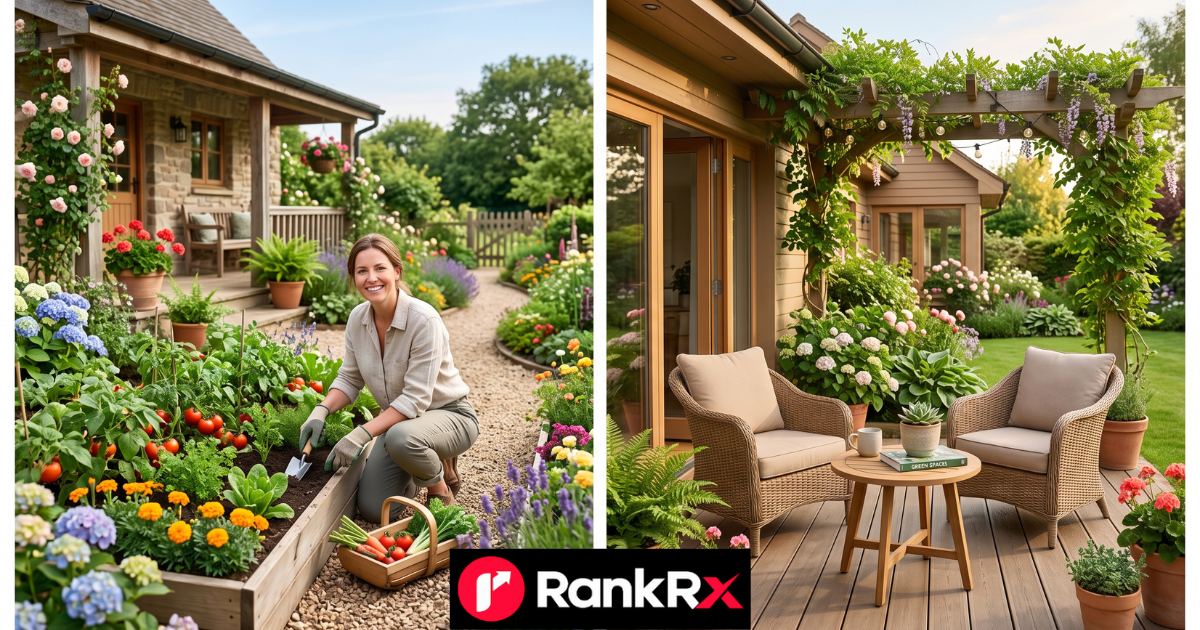

Walk into any home improvement store this year and you’ll notice something: shelves are shifting away from purely decorative items toward things that serve a purpose water-saving fixtures, modular furniture, native plants. That shift says a lot about where home and garden priorities are heading right now.
Whether you’re a homeowner planning a weekend project, a renter trying to make a small balcony feel alive, or someone simply tired of a garden that never quite works the way Pinterest promised, this guide breaks down what’s genuinely worth your time and what’s just noise. home and garden.
Why Home and Garden Priorities Are Changing
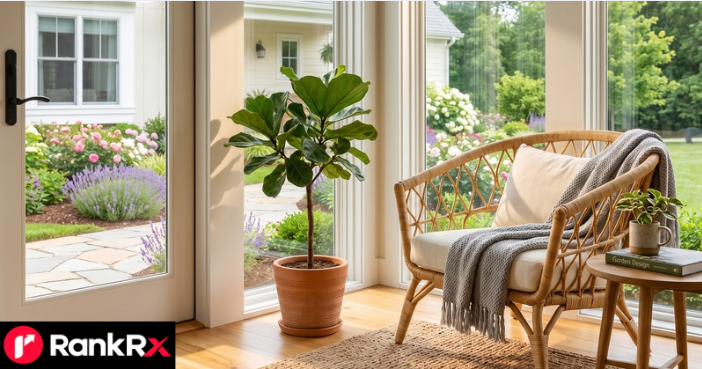
A few years ago, home and garden content was dominated by aesthetics first, function second. That’s flipped. Rising utility costs, smaller living spaces in cities, and a general fatigue with high-maintenance yards have pushed people toward choices that are practical as well as attractive.
This doesn’t mean style doesn’t matter. It means the most successful home and garden projects now do double duty: a rain garden that also stops your yard from flooding, a kitchen herb wall that also cuts your grocery bill, a pergola that shades your patio and lowers your cooling costs.
READ MORE: Modern Lifestyle Tips UK A Practical Guide to Balanced Living
Indoor Living Spaces: Less Clutter, More Intention
The Shift Toward “Quiet” Interiors
Loud, trend-driven decor is losing ground to calmer, more durable choices. Neutral palettes, natural materials (wood, linen, stone), and furniture built to last are replacing fast-furniture pieces that get replaced every couple of years.
Practical steps if you want this look without a full renovation:
- Swap one statement wall for a textured, neutral finish (limewash or clay paint) rather than bold color.
- Replace two or three cheap decorative pieces with one well-made item a solid wood side table beats three plastic ones.
- Declutter surfaces first; new furniture won’t fix a room that’s visually noisy.
Multi-Purpose Furniture for Smaller Homes
With more people living in apartments or downsized homes, furniture that folds, extends, or hides storage is no longer a niche category — it’s mainstream. Sofa beds with proper mattresses (not the old foldout kind), extendable dining tables, and ottomans with internal storage are common upgrades that make small home and garden spaces feel bigger without adding square footage.
Garden Trends Worth Following
Native and Drought-Tolerant Planting
Water restrictions in many regions have made native planting a practical necessity rather than a style choice. Native plants generally need less watering once established, support local pollinators, and require less intervention overall.
A simple starting point:
- Check with a local extension service or garden center for plants native to your specific climate zone.
- Group plants by water needs (hydrozoning) so you’re not overwatering low-need plants to keep high-need ones alive.
- Replace a portion of lawn — even 20–30% — with native ground cover to reduce mowing and watering.
Grow-Your-Own Is Sticking Around
The pandemic-era grow-your-own boom didn’t fully fade — it settled into something more realistic. Fewer people are trying to grow everything; more are focusing on a handful of high-value crops: herbs, tomatoes, leafy greens, and fruit in containers for smaller spaces.
| Approach | Best For | Effort Level | Space Needed |
|---|---|---|---|
| Windowsill herbs | Renters, beginners | Low | Minimal |
| Raised bed vegetables | Homeowners with a yard | Medium | Moderate |
| Container fruit trees | Patios, small gardens | Medium-High | Moderate |
| Full vegetable plot | Experienced gardeners | High | Large |
Rewilding Small Sections, Not the Whole Yard
Full “rewilding” isn’t realistic for most home and garden setups, especially in shared neighborhoods with tidiness expectations. What’s growing instead is the “wild corner” approach — leaving one section of the garden less manicured to support insects and birds, while keeping the rest tidy.
Energy and Water Efficiency at Home
Home and garden decisions increasingly overlap with utility bills. Some upgrades pay for themselves faster than others:
- Draught-proofing doors and windows — low cost, noticeable heating savings.
- Water butts / rain barrels — cheap to install, reduce mains water use for the garden.
- LED lighting throughout — a small upfront cost with a fast payback period.
- Smart thermostats — useful, though savings vary depending on how consistently you use the scheduling features.
It’s worth being honest here: not every “eco upgrade” pays for itself quickly. Solar panels, for example, can take many years to break even depending on your location and energy prices — that’s a bigger financial decision than a water butt or LED bulbs, and it deserves separate research rather than being lumped in as a quick win.
READ MORE: UK Lifestyle Blog Guest Post How to Pitch, Rank, and Earn High-Trust Backlinks
Common Mistakes to Avoid
- Over-planting a new garden all at once. Starting too large leads to overwhelm and dead plants within a season. Start with one bed or a few containers.
- Ignoring soil before buying plants. Poor soil kills more gardens than bad plant choices. A basic soil test is cheap and saves money long-term.
- Choosing furniture for looks over durability. Fast-furniture often costs more over time once replacement is factored in.
- Skipping a watering plan. Automated drip irrigation or even a simple timer prevents the two most common garden failures: overwatering and underwatering.
- Following a single influencer’s climate-specific advice. A gardening tip that works in a mild coastal climate may fail completely in a hot, dry, or frost-heavy region. Always check advice against your local climate zone.
Balancing Style and Practicality
There’s a temptation, especially with home and garden content online, to chase whatever looks best in photos. The more sustainable approach — literally and financially — is to ask two questions before any project: Will I still want this in three years? and Does this reduce ongoing effort or cost, or add to it?
Projects that pass both tests (native planting, quality multi-purpose furniture, efficient lighting) tend to be worth the investment. Projects that fail both (trend-driven decor, high-maintenance exotic plants in the wrong climate) often get abandoned or ripped out within a year or two.
Results vary a lot depending on your climate, budget, home type, and local regulations, so treat all of the above as a starting framework rather than a fixed rulebook — what works for one home and garden setup won’t automatically work for another.
Conclusion
Home and garden trends in 2026 are less about following a single aesthetic and more about making choices that hold up spaces that are calmer, gardens that need less intervention, and upgrades that quietly save money over time. Start small, prioritize function alongside style, and adjust based on what actually works in your specific space and climate.
FAQs
What’s the easiest home and garden project to start with as a beginner?
Container herb gardening indoors or on a balcony. It requires minimal space, low investment, and gives quick, visible results within a few weeks.
Do native plants really need less watering?
Generally yes, once established — native plants are adapted to local rainfall patterns. New plantings still need regular watering for the first season while roots establish.
Is it worth replacing a lawn with ground cover?
It can reduce watering and mowing time significantly, but the payoff depends on your climate, lawn size, and how much of the lawn you actually use for activities versus purely for looks.
How much can smart home devices realistically save on energy bills?
It varies widely by household and usage habits. Devices like smart thermostats can help, but savings depend on consistent use — they’re not a guaranteed fixed percentage for every home.
What’s the biggest mistake new gardeners make?
Planting too much too soon without checking soil quality or local climate suitability, which often leads to plant loss and discouragement.
Are eco-friendly home upgrades always worth the cost?
Not always immediately. Smaller upgrades (LED lighting, draught-proofing, rain barrels) usually pay back fast. Larger investments like solar panels need site-specific calculations before committing.
For more updates visit: rankrx.co.uk