
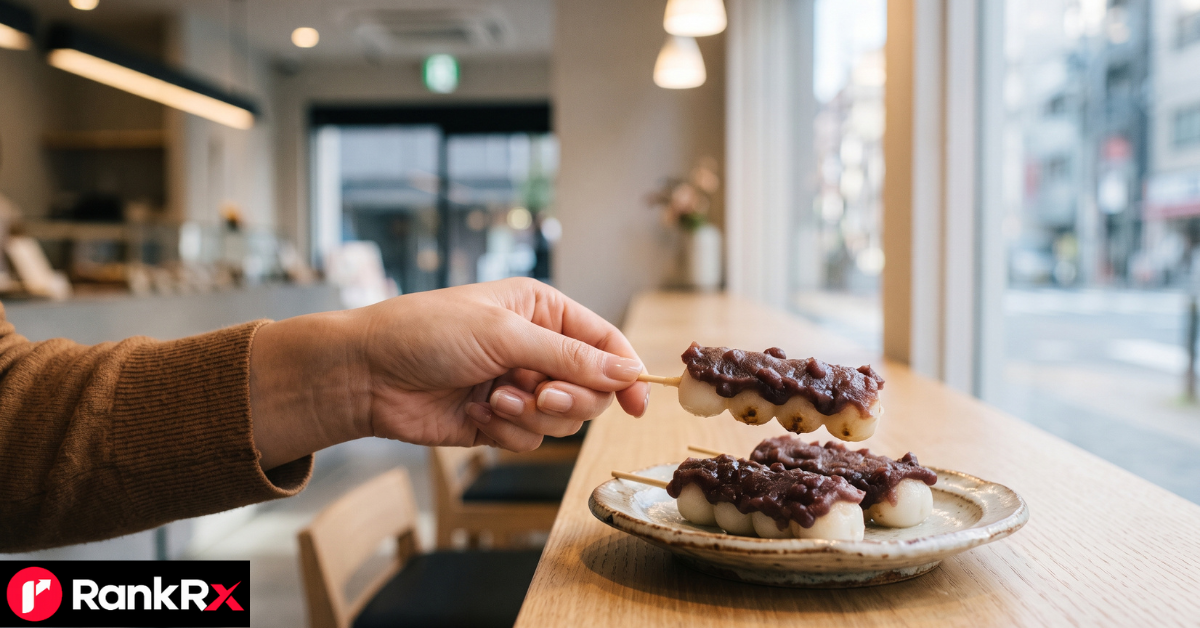

You’ve probably seen them on a food vlog or scrolling through your social feed soft, chewy rice balls on a bamboo skewer, draped in a glossy reddish-brown paste. That’s anko dango. And if you’re searching for anko dango near me, you’re likely craving one of the most accessible and satisfying Japanese sweets out there.
Disclaimer: The information here is for general guidance. Availability, ingredients, and quality of anko dango vary by location and brand. Results from making dango at home will depend on your ingredients and technique. For dietary concerns, consult a qualified professional.
The good news? You don’t need a plane ticket to Tokyo to get one. Depending on where you live, you’ve got options from local Asian grocery stores to Japanese bakeries, food trucks, and even your own kitchen. Let’s walk through what anko dango actually is, how to find it nearby, and what to watch out for.
What Is Anko Dango, Exactly?
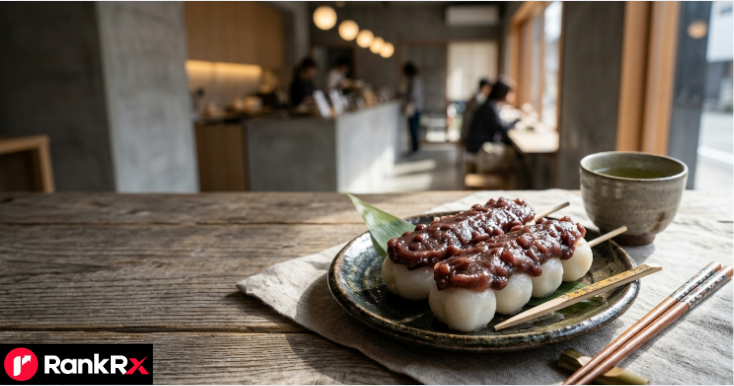
Dango itself is a Japanese dumpling made from rice flour — typically a mix of regular rice flour (joshinko) and glutinous rice flour (shiratamako or mochiko). The dough is shaped into small balls, boiled until they float, and then threaded onto bamboo skewers — usually three to four per stick.
Anko is the topping that gives this version its name. It’s a sweet red bean paste made from adzuki beans, boiled and sweetened with sugar. The paste comes in three main textures:
- Tsubuan — chunky, with whole beans left intact
- Tsubushian — semi-chunky, partially mashed
- Koshian — completely smooth, strained through a fine sieve
The dango itself is fairly neutral — slightly sweet, with a soft, sticky chewiness. The anko does the heavy lifting on flavour, bringing a gentle, earthy sweetness that isn’t overpowering.
If you’ve had mochi before, dango is a close cousin. The key difference is that mochi is made by steaming and pounding rice, while dango is made from rice flour mixed with water, then boiled.
Where to Find Anko Dango Near Me: Your Realistic Options
When you search for anko dango near me, the results can feel scattered. Here’s a practical breakdown of where to look, depending on what’s available in your area.
Japanese Bakeries and Wagashi Shops
This is your best bet for fresh, authentic anko dango. Japanese bakeries — even small ones — often carry dango alongside other wagashi (traditional Japanese confections). If you have a local Japanese grocery store with a prepared foods section, check there too.
Asian Grocery Stores
Many Asian supermarkets carry pre-packaged dango in the refrigerated or frozen section. Brands like Chateraise offer anko dango in convenient 5-piece packs, using azuki beans from Tokachi, a premium growing region in Hokkaido. These won’t be as fresh as a bakery, but they’re a solid option when you need a quick fix.
Food Trucks and Pop-Up Markets
In cities with a strong street food culture, you’ll sometimes find vendors selling dango at night markets, food festivals, or dedicated Japanese street food stalls. These are hit-or-miss, but when you find a good one, the dango is usually made fresh that day.
Online Retailers
If local options are limited, online Japanese food retailers ship dango and anko paste directly to your door. This is especially useful if you want to make your own — you can order shiratamako and prepared anko without hunting down specialty stores.
Comparison: Store-Bought vs. Homemade Anko Dango
| Factor | Store-Bought | Homemade |
|---|---|---|
| Freshness | Varies — check dates carefully | Made on demand |
| Texture Control | Fixed | You choose chunky or smooth anko |
| Cost | Higher per unit | Lower per serving, higher upfront for ingredients |
| Time | Instant | 40–60 minutes |
| Authenticity | Depends on brand | You control quality of ingredients |
| Availability | Limited by location | Unlimited if you can source flour |
The Upside and the Limitations
What Works Well
Anko dango is one of the easier Japanese sweets to enjoy. It’s not overly sweet, which makes it appealing even if you don’t have a strong sweet tooth. The texture contrast — chewy dango against soft anko — is genuinely satisfying.
It’s also surprisingly filling. A single skewer can curb a snack craving without leaving you feeling heavy.
What to Keep in Mind
Dango doesn’t stay fresh long. It’s best eaten the same day it’s made. If you buy pre-packaged, check the expiration date and consume quickly. The texture changes once refrigerated — it firms up and loses some of that pleasant chewiness.
If you’re not a fan of bean-based textures, anko might not be your thing. The paste has a distinct earthiness that some people love and others don’t. If you prefer smoother textures, go for koshian over tsubuan.
How to Make Anko Dango at Home (Simple Method)
Making dango at home is genuinely straightforward. Here’s a basic approach:
Ingredients:
- 1 cup shiratamako (or mochiko)
- 3/4 cup warm water
- 1 cup anko (store-bought or homemade)
- Bamboo skewers
Instructions:
- Mix the rice flour with warm water and knead until the dough is smooth and pliable.
- Divide into small pieces and roll into balls.
- Boil the dango until they float, then cook for another 1–2 minutes.
- Transfer to ice water to stop the cooking and firm them up.
- Thread 3–4 balls onto each skewer. anko dango near me.
- Top generously with anko and serve. anko dango near me.
If you’re feeling adventurous, you can knead matcha powder into half the dough for a two-tone effect, or make hanami dango with pink and green layers. anko dango near me.
Common Mistakes to Avoid
- Overcooking the dango. Once they float, they’re nearly done. An extra 1–2 minutes is fine; more than that and they turn mushy. anko dango near me.
- Skipping the ice bath. That cold water shock gives dango their signature chew. Don’t skip it.
- Using cold water in the dough. Warm water helps the flour hydrate properly. Cold water makes the dough stiff.
- Storing dango in the fridge for too long. They’re best fresh. If you must refrigerate, bring them to room temperature before eating. anko dango near me.
- Buying anko with excessive added sugar. Some commercial brands load it up. Check the ingredient list — simpler is better. anko dango near me.
Featured Snippet
Anko dango is a Japanese sweet made from rice flour dumplings on a skewer, topped with sweet red bean paste. You can find it at Japanese bakeries, Asian grocery stores, or make it at home using shiratamako and prepared anko.
Key Takeaways
- Anko dango is a Japanese rice dumpling skewer topped with sweet red bean paste.
- You can find it at Japanese bakeries, Asian grocery stores, or online retailers. anko dango near me
- Making it at home is simple — shiratamako, water, and anko are the core ingredients.
- Best eaten fresh; refrigeration changes the texture. anko dango near me
- Choose tsubuan for chunky texture or koshian for smooth. anko dango near me
- Dango is naturally gluten-free but check commercial packaging.
Content Freshness
Review availability of local Japanese bakeries and grocery stores periodically. Product availability and brand offerings may change. Algorithm updates and local search trends may affect how “near me” queries surface results.
READ MORE: Bing Rank Tracker 7 Smart Ways to Track SEO
Editorial Review
This content should be reviewed by an experienced SEO practitioner or food writer before publishing to verify local availability claims and ensure E-E-A-T compliance. anko dango near me.
FAQs
What does anko dango taste like?
The dango itself is mild and slightly sweet with a chewy texture. The anko adds a gentle, earthy sweetness from adzuki beans — not sharp or cloying.
Is anko dango vegan?
Traditional anko dango is typically vegan, made from rice flour, water, and sweetened red bean paste. However, some commercial brands may add additives or use non-vegan ingredients, so check labels if that matters to you.
How long does anko dango last?
Fresh dango is best eaten the same day. Refrigerated, it lasts a day or two, but the texture deteriorates. Frozen dango can last longer but won’t have the same chew after thawing.
Can I find anko dango near me if I don’t live near a Japanese grocery store?
Online retailers are your best fallback. You can also check Asian supermarkets — many carry frozen or refrigerated dango. If all else fails, making it at home with mochiko from a regular grocery store is very doable.
What’s the difference between anko dango and mitarashi dango?
Mitarashi dango is topped with a sweet soy sauce glaze, giving it a savoury-sweet profile. Anko dango uses red bean paste instead — sweeter and earthier. anko dango near me.
Is anko dango gluten-free?
Dango is made from rice flour, which is naturally gluten-free. But always verify the packaging if you have a severe allergy, as some products may be processed in facilities that handle wheat.
For more updates visit: rankrx.co.uk