

Disclaimer: Availability, regional naming, and preparation styles can vary. This overview reflects general, widely recognised practices and isn’t a substitute for guidance from a specific vendor or recipe source.
If you’ve only ever encountered Japanese desserts through mochi ice cream at the grocery store, anko dango is going to feel like a genuine discovery. It’s older, simpler, and in a lot of ways more representative of traditional Japanese sweets than most of what gets exported internationally. This isn’t a dessert built around novelty it’s one that’s been refined over centuries into something deceptively simple.
This guide covers what makes anko dango japanese dessert culture, worth understanding, from its place in Japan’s broader confectionery tradition to what you should actually expect the first time you try it.
What Makes Anko Dango a Distinct Category of Dessert
Anko dango belongs to a broader category of Japanese sweets called wagashi traditional confections built primarily from plant-based ingredients like rice, beans, and mild natural sweeteners, developed long before Western-style sugar-heavy desserts became widely available in Japan. Wagashi as a category tends to prioritise texture and subtle flavour over intense sweetness, and anko dango is a near-perfect example of that philosophy in practice.
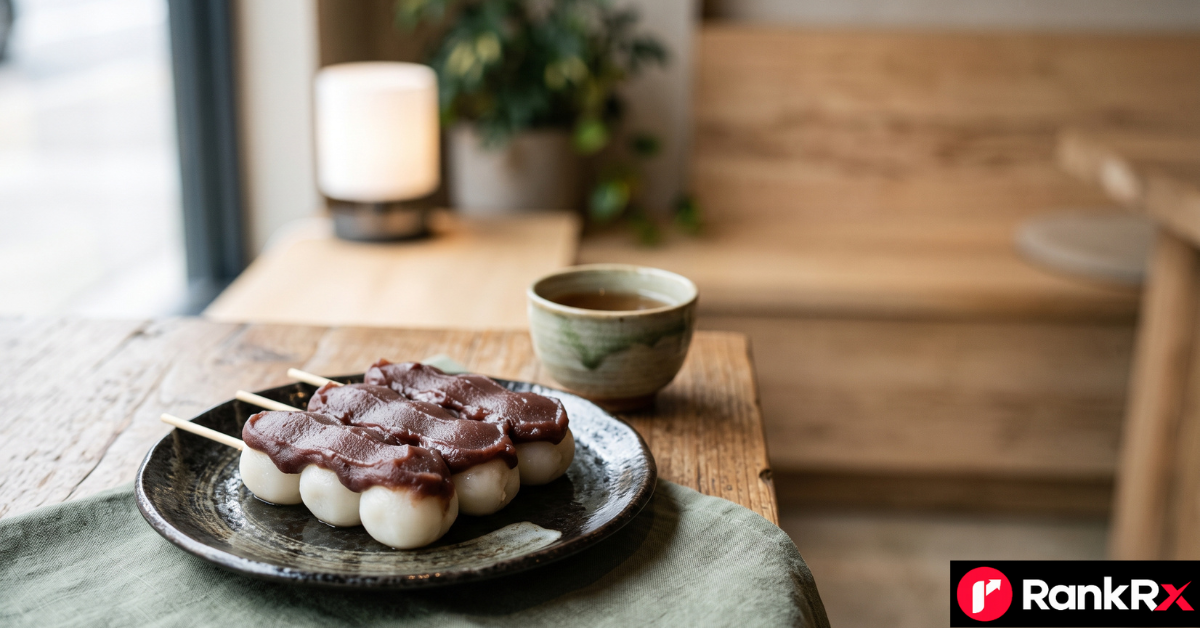
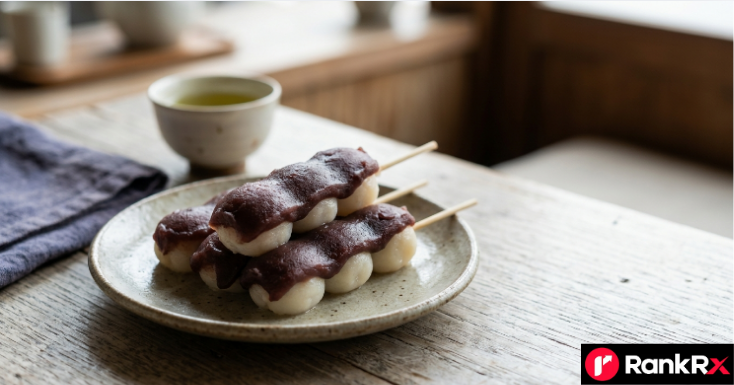
The dessert itself is made of two parts: soft, chewy dumplings called dango, made primarily from rice flour, and anko, a sweetened paste made from azuki (red) beans. The dumplings are typically skewered in small clusters and either coated in or served alongside the bean paste, creating a contrast between the dumpling’s mild chew and the paste’s dense sweetness.
1. It’s Rooted in Centuries of Tradition, Not a Modern Trend
Dango as a food predates most of what people think of as “traditional Japanese dessert” today. Rice-based dumplings have been part of Japanese food culture for centuries, tied closely to seasonal festivals, tea ceremonies, and religious observances. Anko itself — sweetened azuki bean paste — became a defining element of Japanese confectionery as sugar became more accessible, eventually becoming one of the most recognisable flavours in the entire wagashi category.
This matters for understanding the dessert correctly: it’s not a novelty food built for social media appeal; it’s a long-standing cultural staple that happens to also be genuinely photogenic and shareable by modern standards.
2. The Flavour Profile Is Intentionally Restrained
Compared to most Western desserts, anko dango is noticeably less sweet, and that’s by design rather than a limitation. Wagashi traditionally aims for a balance where sweetness is present but doesn’t overwhelm the other flavours — in this case, the mild, slightly nutty taste of the azuki bean and the neutral, chewy texture of the rice dumpling.
If you go in expecting something as sugar-forward as a Western pastry, it can initially read as underwhelming. Approached with the right expectations, though, the restraint is exactly what makes it enjoyable in larger quantities without becoming cloying — a quality that’s harder to find in a lot of dessert categories built around maximising sweetness.
3. There Are Multiple Styles, and They’re Genuinely Different
Not all dango is anko dango, and it’s an easy mix-up for anyone new to the category. A few common variations you’ll encounter:
- Anko-coated dango — dumplings covered in sweetened red bean paste, either smooth (koshian) or chunky (tsubuan).
- Mitarashi dango — coated in a sweet-savoury soy glaze instead of bean paste, a completely different flavour direction. anko dango japanese dessert.
- Hanami dango — the pink, white, and green dumplings associated with cherry blossom season, typically served plain rather than coated.
If your interest is specifically in the red bean flavour profile, it’s worth confirming which style you’re being served or purchasing, since these varieties can look visually similar on a menu or in a display case.
4. Texture Matters as Much as Flavour
A well-made batch of dango should have a soft, chewy bite without being gummy or overly sticky — that texture comes from a careful balance of rice flour types (usually a blend of glycinous and non-glutinous rice flour) and precise cooking time. Anko, meanwhile, ranges from smooth and silky (koshian) to noticeably chunky (tsubuan), depending on whether the bean skins are strained out during preparation. anko dango japanese dessert.
This texture pairing is a big part of why the dessert works as well as it does: the dumpling provides a neutral, chewy base, while the anko brings both flavour and a contrasting density. Neither element is particularly interesting completely on its own — it’s the combination that makes it distinctive. anko dango japanese dessert.
5. It’s a Seasonal and Social Food, Not Just a Snack
In Japan, dango is closely tied to seasonal events — cherry blossom viewing in spring, moon-viewing festivals in autumn, and various local celebrations throughout the year. It’s commonly sold from street vendors, tea houses, and speciality wagashi shops, often eaten while walking or shared casually among friends and family rather than plated formally. anko dango japanese dessert.
That social, casual context is worth knowing if you’re trying it for the first time — it’s not typically a fussy, plated dessert experience, but something closer to a street food or tea-time snack, which shapes both the portion sizes and the presentation you should expect. anko dango japanese dessert.
Comparison Table: Anko Dango vs. Other Popular Japanese Sweets
| Sweet | Base Ingredient | Sweetness Level | Texture |
|---|---|---|---|
| Anko dango | Rice flour + azuki bean paste | Moderate | Chewy dumpling, dense paste |
| Mochi | Glutinous rice (often with fillings) | Varies widely | Very chewy, elastic |
| Taiyaki | Wheat batter + sweet filling | Moderate | Crisp outside, soft inside |
| Dorayaki | Pancake-style sponge + anko filling | Moderate | Soft, spongy |
| Daifuku | Mochi wrapped around sweetened filling | Moderate to high | Soft, chewy exterior |
Where and How to Try It
Anko dango is widely available at Japanese sweets shops, some Asian grocery stores, and increasingly at speciality bakeries outside Japan that focus on wagashi. Fresh, freshly made dango tends to have noticeably better texture than packaged or refrigerated versions, since the rice-flour dumplings firm up and lose their ideal chew fairly quickly after preparation. anko dango japanese dessert.
If you’re trying it for the first time and have the option, choosing a location that makes dango fresh (rather than pre-packaged) will give you a much more accurate sense of what the dessert is actually meant to taste and feel like.
Benefits and Limitations
Benefits: Anko dango offers a genuinely different dessert experience from most Western sweets — less sugar-forward, more texture-focused, and rooted in a long culinary tradition rather than trend-driven innovation. It also tends to be relatively affordable and portion-controlled compared to many Western dessert categories. anko dango japanese dessert.
Limitations: The restrained sweetness and bean-based flavour can be a genuine adjustment for first-time tasters expecting something closer to Western dessert norms, and freshness matters a lot — a stale or refrigerated batch won’t represent the dessert well. It’s also worth noting that not all dango involves anko at all, so managing expectations around which variety you’re getting matters. anko dango japanese dessert.
Common Mistakes to Avoid
- Assuming all dango are the same flavour. Mitarashi (soy glaze) and hanami (plain) varieties are common and taste nothing like the anko version. anko dango japanese dessert.
- Judging it against Western dessert sweetness expectations. Going in expecting cake-level sweetness will likely lead to disappointment; the appeal is in the balance, not the sugar intensity.
- Buying pre-packaged, shelf-stable dango and assuming it represents the dish fairly. Fresh preparation makes a significant difference to texture. anko dango japanese dessert.
- Refrigerating leftover dango. This actually speeds up staling for rice-flour dumplings rather than preserving them — room temperature, eaten soon, is better. anko dango japanese dessert.
Key Takeaways
- Anko dango belongs to wagashi, Japan’s traditional confectionery category.
- Its sweetness is intentionally restrained compared to Western desserts.
- Common styles include anko-coated, mitarashi (soy glaze), and hanami (plain) dango.
- Texture depends on rice flour ratio and whether anko is smooth (koshian) or chunky (tsubuan).
- Fresh preparation matters significantly — refrigeration speeds up staling. anko dango japanese dessert.
Content Freshness
Revisit periodically to confirm vendor or product availability mentioned, and update with any newly popular regional variations. anko dango japanese dessert.
Editorial Review
Recommend review by someone with direct culinary or cultural expertise in Japanese wagashi before publishing, to confirm regional accuracy and terminology. anko dango japanese dessert.
Same heads-up as before — this is a food/culture piece, not Entertainment or SEO/marketing content, so it’ll need its own category slot on the site. Also worth flagging: this article and the “anko dango red bean paste” one cover very similar ground (both explain tsubuan/koshian, mitarashi vs. anko, storage tips). You may want to differentiate them further before publishing both — happy to angle one toward a recipe/how-to format if that’d help avoid overlap.
READ MORE: Anko Dango Understanding Red Bean Paste in Japan’s Favorite Sweet Dumpling
Conclusion
Anko dango is a genuinely worthwhile entry point into Japanese wagashi culture simple in construction, but the result of centuries of refinement around texture and balanced sweetness. Understanding the basic distinctions (anko versus mitarashi, tsubuan versus koshian, and fresh versus packaged) makes it much easier to know what you’re getting and to appreciate why this particular combination has stayed a staple of Japanese dessert culture for so long. anko dango japanese dessert.
FAQs
Is anko dango served hot or cold?
It’s typically served at room temperature or slightly warm, rather than chilled, which helps preserve the dumpling’s ideal chewy texture. anko dango japanese dessert.
What does anko dango taste like compared to Western desserts?
It’s noticeably less sweet and sugar-forward, with an earthy, mild bean flavour balanced against a neutral, chewy rice dumpling.
Is anko dango gluten-free?
Traditional dango is made from rice flour and is typically gluten-free, though it’s worth confirming with specific vendors, as preparation methods can vary.
How is anko dango different from mochi?
Mochi is made purely from glutinous rice and is typically more elastic and chewy, often with a filling inside rather than a coating; dango uses a rice flour blend and is usually paired with a topping or glaze rather than a filling.
Can I find anko dango outside Japan?
Yes — it’s increasingly available at Japanese grocery stores, wagashi speciality shops, and some Asian bakeries internationally, though freshness and quality can vary by location.
Is anko dango a good dessert for someone new to Japanese sweets?
Yes — it’s one of the more approachable wagashi options for newcomers, offering a milder introduction to bean-based sweets compared to some other traditional varieties. anko dango japanese dessert.
For more updates visit: rankrx.co.uk