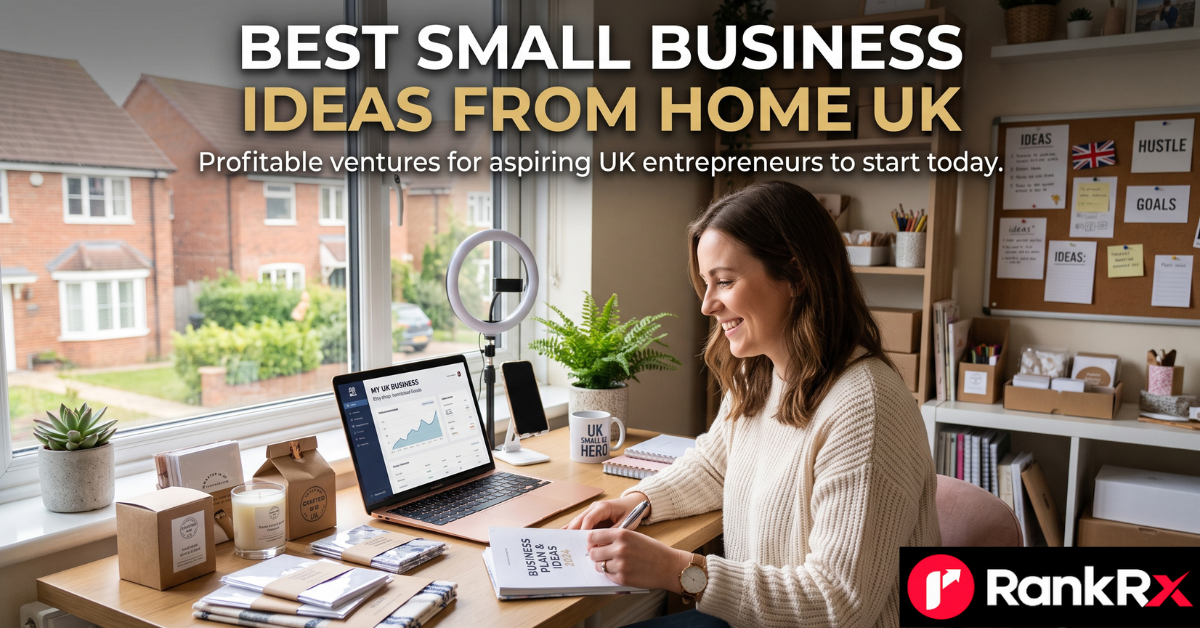

Most people don’t quit their job to start a business. They start it on a Tuesday evening, at the kitchen table, after the kids are in bed and figure out the rest as they go.
If that’s roughly where you are right now, this guide is for you. Not a list of “become a millionaire by Friday” ideas, but a practical, realistic look at small business ideas from home UK entrepreneurs are actually building in 2026 what they cost to start, what they typically pay, and what nobody tells you about the boring-but-important stuff like insurance, council rules and HMRC.
We’ve grouped the ideas by type (digital, local service, food, creative, care and support), added a quick-comparison table, and covered the legal basics you need before you take your first payment. There’s also a “common mistakes” section, because most home businesses don’t fail from a bad idea they fail from skipping a step early on.
One honest note before we start: none of this is a guaranteed path to income. Some of these businesses will suit your skills, location and free time far better than others. Treat the numbers below as a general guide, not a promise.
Why 2026 Is a Genuinely Good Time to Start a Home Business
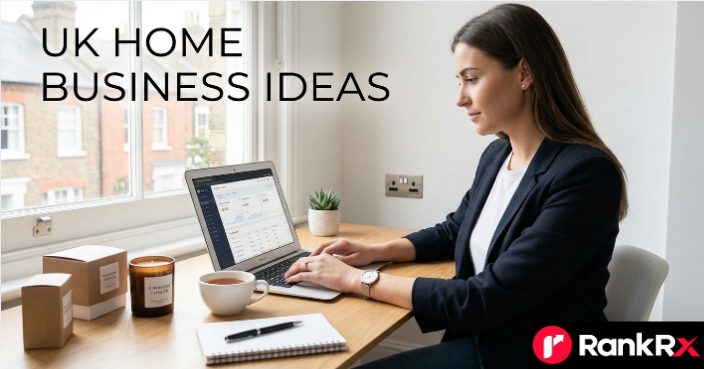
A few things have shifted in the UK’s favour for home-based founders:
- Remote-first tools are now standard. Invoicing, bookkeeping, video calls, payments and marketing can all be run from a laptop, often for free or under £20 a month. small business ideas from home UK
- Client expectations have caught up. Hiring a freelancer, virtual assistant or home baker no longer feels unusual to most UK consumers and small businesses — it’s become normal practice.
- Government figures show the trend holding. The UK had around 5.7 million businesses in 2025, and the overwhelming majority — roughly 99% — were small and medium-sized, with most of those run by a single person or a handful of people. small business ideas from home UK
- AI has lowered the skill barrier for some services, letting solo founders offer things like content editing, basic automation, or light chatbot setup for local businesses without needing a computer science degree — though it’s also raised the bar for quality, since clients can now spot generic AI output easily.
None of this guarantees success. It does mean the practical barriers to starting — cost, tools, and market awareness — are lower than they’ve been in years. small business ideas from home UK
How to Choose the Right Home Business Idea for You
Before jumping into the list, run any idea through this quick filter:
- Skills you already have. The fastest home businesses to get paying customers are built on something you can already do reasonably well. small business ideas from home UK
- Startup cost you can actually afford. Look for ideas you can test for under £200 before committing more.
- Time you genuinely have. Be honest about whether you have 5 hours a week or 30.
- Local rules and space. Some ideas (food, beauty, childcare) need council registration, certificates or specific home setups. Others (writing, design, VA work) need almost none. small business ideas from home UK
- Demand near you or online. A dog walker needs local demand. A freelance copywriter can work with clients anywhere in the UK, or beyond. small business ideas from home UK
If an idea passes all five, it’s worth a proper test. small business ideas from home UK
Digital & Online Business Ideas You Can Run From a Laptop
These tend to have the lowest startup costs and the widest customer reach, since location barely matters.
1. Freelance Writing or Copywriting
Businesses constantly need blog posts, website copy, email newsletters and product descriptions. If you can write clearly and meet deadlines, this is one of the easiest small business ideas from home UK freelancers use to get their first paying client within weeks, often through platforms like Upwork or direct outreach to local businesses.
- Startup cost: Under £100 (a portfolio website, basic tools) small business ideas from home UK
- Typical rate: £0.05–£0.30 per word, or £25–£60/hour for experienced writers
2. Virtual Assistant (VA) Services
VAs handle email management, diary scheduling, customer service, research and light admin for business owners who can’t justify a full-time hire. Demand has stayed strong post-2020 as flexible remote support became normalised across UK small businesses. small business ideas from home UK
- Startup cost: Under £50 small business ideas from home UK
- Typical rate: £15–£40/hour depending on specialism
3. Social Media Management
Local shops, tradespeople and restaurants often know they need a consistent online presence but don’t have time to manage it. A social media manager plans, creates and posts content, usually on a monthly retainer.
- Startup cost: Under £150 (scheduling tools, design software)
- Typical rate: £300–£1,000+/month per client small business ideas from home UK
4. SEO or Local SEO Consulting
If you understand keyword research, on-page optimisation and Google Business Profile management, small businesses will pay for help getting found online — particularly local firms competing for “near me” searches.
- Startup cost: Under £200 (SEO tools, often available on free tiers to start)
- Typical rate: £300–£1,500/month per client, or hourly consulting small business ideas from home UK
5. Online Tutoring
Video-call tutoring in maths, English, sciences, languages or exam prep is one of the steadiest home business ideas, since demand is consistent through the school year and rates scale with subject and level. small business ideas from home UK
- Startup cost: Under £50 (webcam, basic teaching materials)
- Typical rate: £20–£45/hour small business ideas from home UK
6. Digital Products (Templates, Ebooks, Courses)
Create once, sell repeatedly. Notion templates, Canva packs, printables, planners and short online courses can generate ongoing sales through platforms like Etsy, Gumroad or your own site. small business ideas from home UK
- Startup cost: Under £100
- Income potential: Highly variable — many earn modest side income; a smaller number build this into a full-time product business small business ideas from home UK
7. Graphic Design or Logo Design
Startups and small businesses regularly need branding, social media graphics and simple design work, and are often willing to pay freelance rates rather than agency prices. small business ideas from home UK
- Startup cost: £100–£300 (design software subscription)
- Typical rate: £25–£60/hour, or fixed project rates small business ideas from home UK
8. Print-on-Demand Business
Design t-shirts, mugs or merchandise and let a production partner handle manufacturing and shipping. You never hold stock, which keeps risk and upfront cost low. small business ideas from home UK
- Startup cost: Under £100 (design tools, store setup)
- Margins: Typically modest per item, so volume matters
9. Content Repurposing Service
Turn a client’s blog posts, podcasts or webinars into social clips, carousels and newsletter content. As more businesses invest in content but have no time to reformat it, this niche has grown steadily. small business ideas from home UK
- Startup cost: Under £150
- Typical rate: £300–£800/month per client
10. AI-Assisted Services (Content, Chatbots, Automation)
Small businesses increasingly want AI tools — a basic chatbot, automated booking follow-ups, or AI-drafted content with human editing — but lack the time or knowledge to set them up. Combining AI efficiency with human quality control is a genuinely growing niche, provided you stay current as the tools change quickly.
- Startup cost: Under £200
- Typical rate: Project-based, £200–£1,500 depending on scope
Local Service Business Ideas You Can Start From Home
These rely on being physically near your customers, so local demand and word-of-mouth matter more than a slick website.
11. Dog Walking and Pet Sitting
Over 60% of UK households own a pet, and demand for reliable, flexible pet care has stayed consistently high. A criminal record check is worth having if you’re entering clients’ homes.
- Startup cost: Under £100 (insurance, basic supplies)
- Typical rate: £10–£20 per walk
12. Home Cleaning or Organising
Domestic cleaning remains one of the most reliable local services, with steady repeat business once you build a client base. Niching into Airbnb turnovers or student lets can help you stand out.
- Startup cost: Under £150 (cleaning supplies, insurance)
- Typical rate: £12–£20/hour
13. Gardening and Landscaping
Mowing, planting and basic landscaping are always in demand, especially in spring and summer. Specialising in wildlife-friendly or low-maintenance gardens can help you stand out from generalist gardeners.
- Startup cost: £200–£500 (basic tools, transport)
- Typical rate: £15–£30/hour
14. Mobile Hairdressing or Beauty Services
Working as a mobile stylist or beauty therapist lets you build a personal client base without salon overheads. You’ll need relevant qualifications and insurance.
- Startup cost: £300–£1,000 (kit, training, insurance)
- Typical rate: Varies by service and region
15. Home Tutoring for Trades or Skills
Beyond academic tutoring, there’s growing demand for practical skills coaching — from basic DIY to computer literacy for older adults, particularly as digital inclusion becomes a bigger public-sector priority.
- Startup cost: Under £100
- Typical rate: £20–£40/hour
16. Property Cleaning, Staging or Interior Styling
Helping landlords and homeowners present properties for sale or rent — through cleaning, staging or light interior design — taps into a well-established and steady market.
- Startup cost: £200–£500
- Typical rate: Project-based, varies widely
17. Micro-Logistics or Local Courier Services
Local shops and online sellers increasingly need same-day or next-day local delivery, particularly for items sold through Facebook Marketplace or small e-commerce stores.
- Startup cost: Depends on vehicle you already own; van insurance required
- Typical rate: Per-delivery or contract-based
18. Home Energy Audits
With rising energy costs and government incentives pushing efficiency upgrades, offering basic home energy audits — helping households identify where they’re losing money — is a newer but growing niche.
- Startup cost: £100–£400 (basic assessment tools, relevant training)
- Typical rate: £50–£150 per audit
Food and Craft Business Ideas From Home
These require more upfront legal groundwork (hygiene certificates, council registration) but can be genuinely rewarding if you enjoy making things.
19. Home Baking Business
Home bakery businesses have grown significantly over the past five years across the UK. You’ll need to register with your local council’s environmental health team at least 28 days before you start trading, and get a food hygiene rating.
- Startup cost: £200–£600 (equipment, ingredients, packaging)
- Typical rate: £50–£200+ per custom cake order
20. Meal Prep or Healthy Meal Kits
Busy professionals increasingly pay for ready-made, healthy meals. This needs the same food hygiene registration as baking, plus attention to allergen labelling rules.
- Startup cost: £300–£800
- Typical rate: Varies by portion size and ingredients
21. Candle Making
A genuinely low-barrier creative business — source wax, wicks and fragrance oils, experiment with your own designs, then sell through Etsy, markets or local boutiques.
- Startup cost: £100–£300
- Typical rate: £15–£40 per candle depending on size and branding
22. Handmade Crafts (Jewellery, Cards, Textiles)
If friends and family already compliment what you make, there’s likely a paying audience for it on Etsy or at local markets. Niching down (bridal jewellery, personalised cards) tends to work better than trying to sell “everything.”
- Startup cost: Under £200
- Income potential: Highly variable, often starts as a side income
23. Eco-Friendly Packaging or Refill Products
Selling sustainable packaging to other small sellers, or running a refill product service, taps directly into the UK’s growing sustainability-conscious consumer base.
- Startup cost: £200–£500
- Income potential: Depends heavily on wholesale relationships and niche
Care, Support and Wellness Business Ideas
These often need specific checks or qualifications, but tend to offer strong repeat business once trust is established.
24. Childminding
One of the most established home-based businesses in the UK, but it requires Ofsted registration, a Disclosure and Barring Service (DBS) check, first aid training and adherence to Early Years Foundation Stage requirements.
- Startup cost: £500–£1,500 (registration, safety equipment, training)
- Typical rate: Regulated but generally strong and consistent demand
25. In-Home Care Support
Supporting elderly or disabled clients with daily tasks is a growing sector as the UK population ages. This typically requires enhanced DBS checks and, depending on scope, care-specific qualifications.
- Startup cost: Varies; often lower if working through an agency first to build experience
- Typical rate: £15–£25/hour
26. Massage Therapy or Holistic Wellness Services
Qualified massage therapists and wellness practitioners can run home-based or mobile practices, often building a loyal, repeat client base through word of mouth and local marketing.
- Startup cost: £500–£2,000 (training, insurance, equipment)
- Typical rate: £30–£70 per session
27. Online Fitness or Wellness Coaching
Delivering personal training or coaching over video call removes the need for a physical studio, and qualified coaches can build a client base well beyond their local area.
- Startup cost: £200–£600 (certification if not already held, basic equipment)
- Typical rate: £30–£80 per session or monthly packages
28. CV Writing and Career Coaching
If you have HR, recruitment or hiring-manager experience, there’s steady demand for CV writing, LinkedIn profile optimisation and interview coaching — particularly during periods of economic uncertainty.
- Startup cost: Under £100
- Typical rate: £50–£200 per CV, more for coaching packages
Comparison Table: Startup Cost, Skill Level and Time to First Client
| Business Idea | Typical Startup Cost | Skill Level Needed | Time to First Client |
|---|---|---|---|
| Freelance writing | Under £100 | Medium | 1–4 weeks |
| Virtual assistant | Under £50 | Low–Medium | 1–4 weeks |
| Online tutoring | Under £50 | Medium–High (subject expertise) | 2–6 weeks |
| Social media management | Under £150 | Medium | 3–6 weeks |
| Dog walking | Under £100 | Low | 1–3 weeks |
| Home cleaning | Under £150 | Low | 1–3 weeks |
| Home baking | £200–£600 | Medium (plus hygiene registration) | 4–8 weeks |
| Childminding | £500–£1,500 | High (regulated) | 8–16 weeks |
| Massage therapy | £500–£2,000 | High (qualification required) | 6–12 weeks |
| Digital products | Under £100 | Medium | Highly variable |
These figures are general estimates based on current UK market guidance, not guarantees — your actual costs, rates and timeline will depend on your niche, location and experience.
Legal and Practical Basics Before You Start
This is the part most guides skim over — and the part that actually protects you.
- Register with HMRC. Most home businesses start as sole traders. You need to register for Self Assessment with HMRC once your income from self-employment goes over £1,000 in a tax year.
- Check your mortgage or tenancy agreement. Some mortgage lenders and landlords require you to notify them if you’re running a business from home, particularly if clients will visit or you’re using significant space for stock.
- Look into business insurance. Public liability insurance is worth considering for any business where clients visit your home or you visit theirs. Product liability matters if you’re selling physical goods, especially food or cosmetics.
- Register food businesses with your local council at least 28 days before trading, and get a food hygiene rating inspection.
- Get a DBS check for any business involving children, elderly people or vulnerable adults in their own home or yours.
- Separate your business and personal finances early, even as a sole trader. It makes bookkeeping far easier at tax time, and it’s a legal requirement if you incorporate as a limited company.
- Keep basic records from day one — income, expenses and receipts. Cheap accounting software or even a simple spreadsheet is enough at first.
None of this is exciting, but skipping it is the single most common reason home businesses run into trouble later — not the idea itself.
Common Mistakes to Avoid
- Trying to serve everyone. A general “I do a bit of everything” business is harder to market than a specific niche. “Freelance writer” is vague; “SaaS onboarding email specialist” gets remembered.
- Underpricing to win the first client. It’s tempting, but chronically low prices attract the wrong clients and make it harder to raise rates later.
- Skipping insurance to save money early. One incident without cover can cost far more than years of premiums.
- Ignoring the legal registration step because “it’s just a side hustle.” HMRC doesn’t distinguish between a side hustle and a business once you’re earning over the threshold.
- Not tracking time or expenses from day one. Retroactively reconstructing six months of receipts is a miserable way to spend a weekend.
- Waiting for a “perfect” website before taking clients. Many successful home businesses started with a single social media page or a one-page site, then improved it as income came in.
- Assuming demand without checking. A quick look at local Facebook groups, Google search volume, or direct conversations with 5–10 potential customers can save months of guessing.
Final Thoughts
There’s no single “best” home business — only the one that fits your skills, budget, home setup and the amount of time you genuinely have available. The ideas above span a wide range of investment levels and effort, from a freelance writing side hustle you can test this week, to a fully regulated childminding business that takes months of preparation.
What tends to separate the small business ideas from home UK founders that actually stick around from the ones that fizzle out isn’t the idea itself — it’s whether the basics (registration, insurance, pricing, and realistic expectations) were sorted out early, and whether the founder kept showing up after the first slow month.
Start small, test before you invest heavily, and treat your first few months as a genuine experiment rather than a verdict on whether the idea works.
FAQs
What is the easiest small business to start from home in the UK?
Service-based businesses that rely on skills you already have — like virtual assistant work, freelance writing, tutoring or social media management — tend to be the easiest to start, since they need little upfront investment and no specialist premises.
Do I need to register as self-employed to run a business from home?
Yes, if your income from self-employment exceeds £1,000 in a tax year, you need to register for Self Assessment with HMRC. It’s worth registering even for smaller amounts, since rules and thresholds can change.
Can I run a food business from my home kitchen in the UK?
Yes, but you must register with your local council’s environmental health team at least 28 days before you start trading, and your kitchen will typically need to meet basic food hygiene standards.
How much does it cost to start a small business from home in the UK?
It varies enormously — many digital and service businesses can be tested for under £100–£200, while regulated businesses like childminding or beauty services often need £500–£2,000 upfront for training, registration and insurance.
Do I need business insurance for a home-based business?
It’s not always a legal requirement for sole traders, but public liability insurance is strongly worth considering if clients visit your home, and product liability insurance matters if you sell physical goods.
Will starting a business from home affect my mortgage or tenancy?
It can, depending on the type and scale of the business. It’s worth checking your mortgage terms or tenancy agreement, particularly if clients will regularly visit your home or you’ll be storing significant stock.
For more updates visit: rankrx.co.uk