
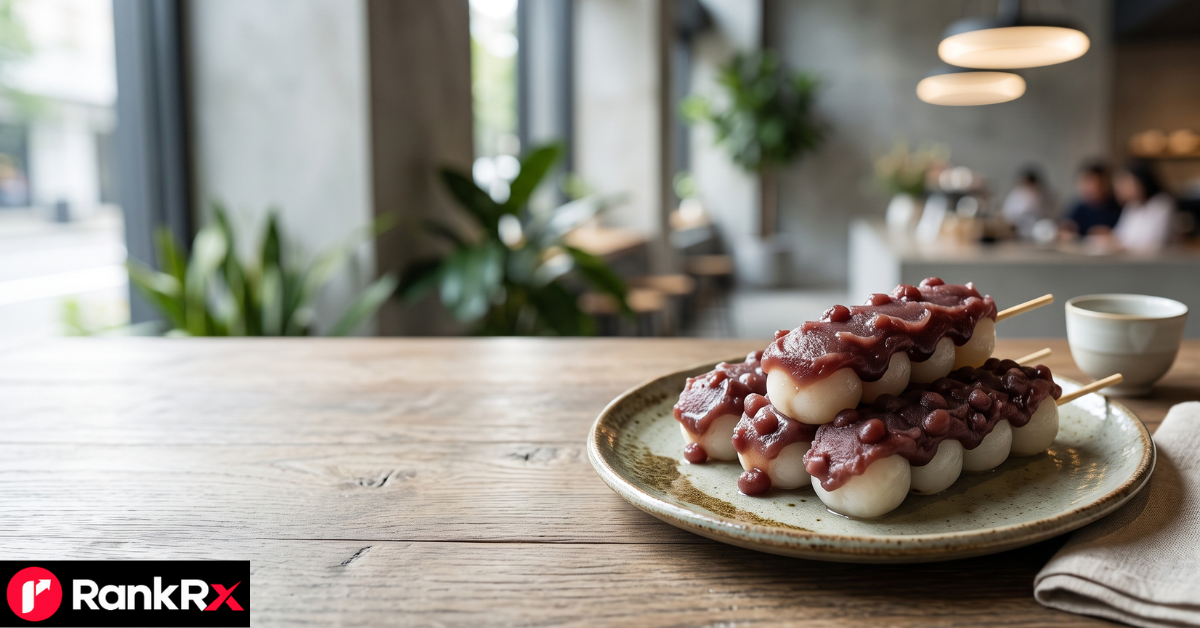

Disclaimer: Preparation methods, regional naming, and ingredient availability can vary. This overview reflects general, widely recognized practices and isn’t a substitute for a tested, specific recipe if you’re cooking at home.
Most people who’ve never eaten it picture “red bean dessert” and assume it’s an acquired taste something too earthy or too sweet to enjoy outside Japan. That assumption falls apart the moment you actually try a well-made skewer of dango coated in smooth, subtly sweet anko. It’s one of those foods that sounds unusual on paper and makes complete sense in your mouth.
This guide breaks down exactly what anko dango red bean paste is, how the two components come together, the different styles you’ll encounter, and what to know if you’re trying it for the first time or attempting to make it yourself.
What Is Anko Dango, Exactly?
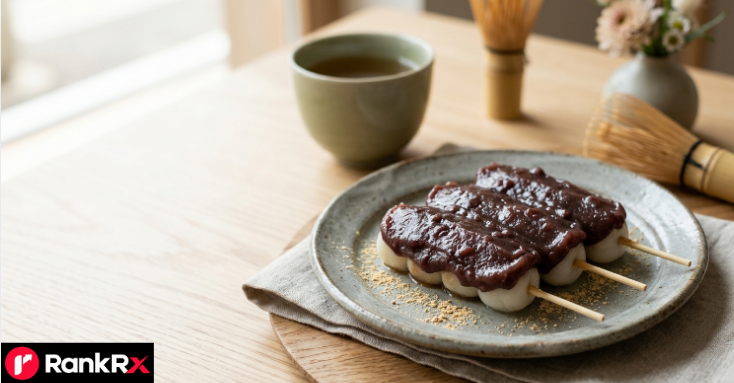
Anko dango is a traditional Japanese sweet made of two distinct parts: dango, which are soft, chewy dumplings made primarily from rice flour, and anko, the sweetened red bean paste that either coats the dumplings or sits alongside them. Dango are usually skewered in small clusters of three to five and served either plain with a sauce, or generously covered in anko.
The “red bean” in question comes from azuki beans (also spelled adzuki), a small reddish-brown legume that’s been a staple in East Asian cooking for centuries. Once cooked down and sweetened, azuki beans transform into a paste with a texture somewhere between a thick jam and a coarse mash, depending on how it’s prepared.
Anko: The Red Bean Paste Itself
Anko isn’t a single, fixed recipe — it varies in texture, sweetness, and preparation depending on the dish and the region making it.
Two Main Types of Anko
- Tsubuan — chunky, with whole or partially mashed azuki beans left intact, giving it visible texture and a slightly rustic bite.
- Koshian — smooth and strained, with the bean skins removed entirely, resulting in a silky, almost pudding-like consistency.
Both are made the same basic way: azuki beans are soaked, boiled until soft, sweetened (traditionally with sugar), and then either left chunky or pushed through a sieve to remove the skins for a smoother finish. The sweetness level varies significantly by maker — some anko leans quite sweet, while other versions are noticeably more restrained, letting the natural earthiness of the bean come through.
Why Azuki Beans Specifically
Azuki beans have a naturally mild, slightly nutty flavor that holds up well to sweetening without becoming cloying, and their color gives finished anko its distinctive deep reddish-brown hue. They’re also relatively quick-cooking compared to many other dried beans, which is part of why they became a practical choice for traditional Japanese confectionery long before modern kitchen equipment existed.
Dango: The Dumpling Half of the Equation
Dango dumplings are typically made from a rice flour blend — often a combination of joshinko (non-glutinous rice flour) and shiratamako (glutinous rice flour) — mixed with water or hot water into a dough, rolled into small balls, and boiled or steamed until they float and turn slightly translucent.
The texture is the whole point: dango should be soft and chewy without being sticky or gummy, with just enough resistance that you notice the bite. Getting that texture right depends heavily on the flour ratio and how the dough is handled, which is why homemade dango can vary a lot in quality even when the recipe looks simple on paper.
Dango on their own are fairly neutral in flavor, which is exactly why they pair so well with anko — the dumpling provides texture and a blank canvas, while the red bean paste brings the sweetness and flavor.
How Anko and Dango Come Together
There are a few common presentations, and it’s worth knowing the difference before you order or attempt to make anko dango:
| Style | Description |
|---|---|
| Anko-coated dango | Dumplings fully covered or dipped in smooth or chunky anko |
| Anko topping | Dumplings served with a scoop of anko on the side or on top |
| Mixed into dough | Some regional variations fold a small amount of sweetened bean into the dango dough itself |
The most commonly recognized version outside Japan is the coated style, where soft, chewy rice dumplings are generously covered in anko, giving each bite a contrast between the dumpling’s mild chew and the paste’s dense, sweet richness. anko dango red bean paste.
Regional and Seasonal Variations
Japan’s confectionery traditions (collectively known as wagashi) treat dango as a seasonal food as much as a standard dessert. Different regions and seasons bring different pairings: anko dango red bean paste.
- Hanami dango — often seen in pink, white, and green, traditionally eaten during cherry blossom viewing season, though this style is typically served without anko coating. anko dango red bean paste.
- Mitarashi dango — coated in a sweet soy glaze rather than anko, a completely different flavor direction worth knowing if you’re ordering and specifically want the red bean version. anko dango red bean paste.
- Anko-covered dango — the version most directly associated with the “red bean paste” flavor profile, commonly found at Japanese sweets shops and festivals year-round. anko dango red bean paste.
If you’re specifically after the red bean flavor, it’s worth double-checking which style you’re ordering, since dango comes in several non-anko varieties that look similar at a glance but taste completely different. anko dango red bean paste.
Nutritional and Practical Notes
Anko is made from beans, which naturally brings some fiber and plant protein into the mix — but it’s still a sweetened dessert, and the sugar content is real and shouldn’t be assumed away just because the base ingredient is a legume. Portion sizes for dango are typically small, which helps keep the overall sweetness in check compared to Western-style desserts, but it’s still worth treating as a treat rather than a health food, despite occasional marketing that leans on the “made from beans” angle to imply otherwise. anko dango red bean paste.
Store-bought anko, especially canned or packaged versions widely available outside Japan, can vary a lot in sugar content and quality between brands — reading the label is worthwhile if you’re comparing options rather than assuming all packaged anko is roughly equivalent. anko dango red bean paste.
Benefits and Limitations
Benefits: Anko dango offers a genuinely distinct flavor and texture experience compared to most Western desserts — less sugar-forward, more texture-focused, and built around a naturally earthy bean flavor rather than pure sweetness. It also keeps reasonably well when stored properly, and the individual components (dango, anko) can be made ahead of time and assembled fresh. anko dango red bean paste.
Limitations: The texture, particularly of tsubuan-style chunky anko, is genuinely divisive for people unfamiliar with bean-based desserts — it’s worth trying a small portion before committing to a larger batch or a homemade attempt. Fresh dango also doesn’t store as well as many Western baked desserts; the texture firms up and becomes less pleasant within a day or two at room temperature, so it’s best eaten fresh. anko dango red bean paste.
Common Mistakes to Avoid
- Overcooking the azuki beans into mush without controlling texture intentionally — for tsubuan especially, you want some bean structure to remain, not a uniform paste. anko dango red bean paste.
- Using the wrong rice flour ratio for dango, which results in either overly gummy or overly crumbly dumplings instead of the intended chewy texture. anko dango red bean paste.
- Adding all the sugar to the anko at once during cooking — azuki beans absorb sugar better and stay tender longer when it’s added gradually in stages, rather than dumped in early.
- Confusing mitarashi and anko dango when ordering or shopping — these are genuinely different flavor profiles, and it’s an easy mix-up for anyone new to the category. anko dango red bean paste.
- Storing fresh dango in the refrigerator, which actually accelerates the staling process for rice-flour-based dumplings rather than preserving them — room temperature, eaten within a day, is generally better.
READ MORE: Anko Dango Near Me Your Complete Guide to Finding and Enjoying This Japanese Classic
Conclusion
Anko dango is a straightforward idea executed with real technique: mild, chewy rice dumplings paired with sweetened azuki bean paste that ranges from smooth to pleasantly chunky depending on style. It’s a genuinely approachable entry point into Japanese wagashi for anyone curious about the category, and understanding the basic vocabulary — tsubuan versus koshian, anko-coated versus mitarashi-glazed — makes it much easier to know what you’re ordering or attempting to recreate at home. anko dango red bean paste.
FAQs
What does anko dango taste like?
It combines a mild, slightly chewy rice dumpling with a sweetened red bean paste that’s earthy and moderately sweet, closer to a dense fruit paste than a sugary dessert.
Is anko the same as red bean paste in other Asian cuisines?
It’s closely related — many East and Southeast Asian cuisines use sweetened azuki or similar bean pastes, though preparation, sweetness level, and texture vary by country and tradition.
Is anko dango vegan?
Traditional anko and dango are typically plant-based, made from beans, sugar, and rice flour, though it’s worth checking specific brands or recipes for any added ingredients.
What’s the difference between tsubuan and koshian?
Tsubuan keeps the bean skins and texture intact for a chunkier paste, while koshian is strained smooth after cooking for a silkier finish. anko dango red bean paste.
Can I make anko dango at home without special equipment?
Yes — both components can be made with basic kitchen tools, though a fine sieve helps significantly if you’re aiming for smooth koshian-style paste.
How long does anko dango stay fresh?
Fresh dango is best eaten within a day at room temperature, while anko on its own generally keeps longer when refrigerated separately in an airtight container. anko dango red bean paste.
For more updates visit: rankrx.co.uk